

False Idols | About The Collection
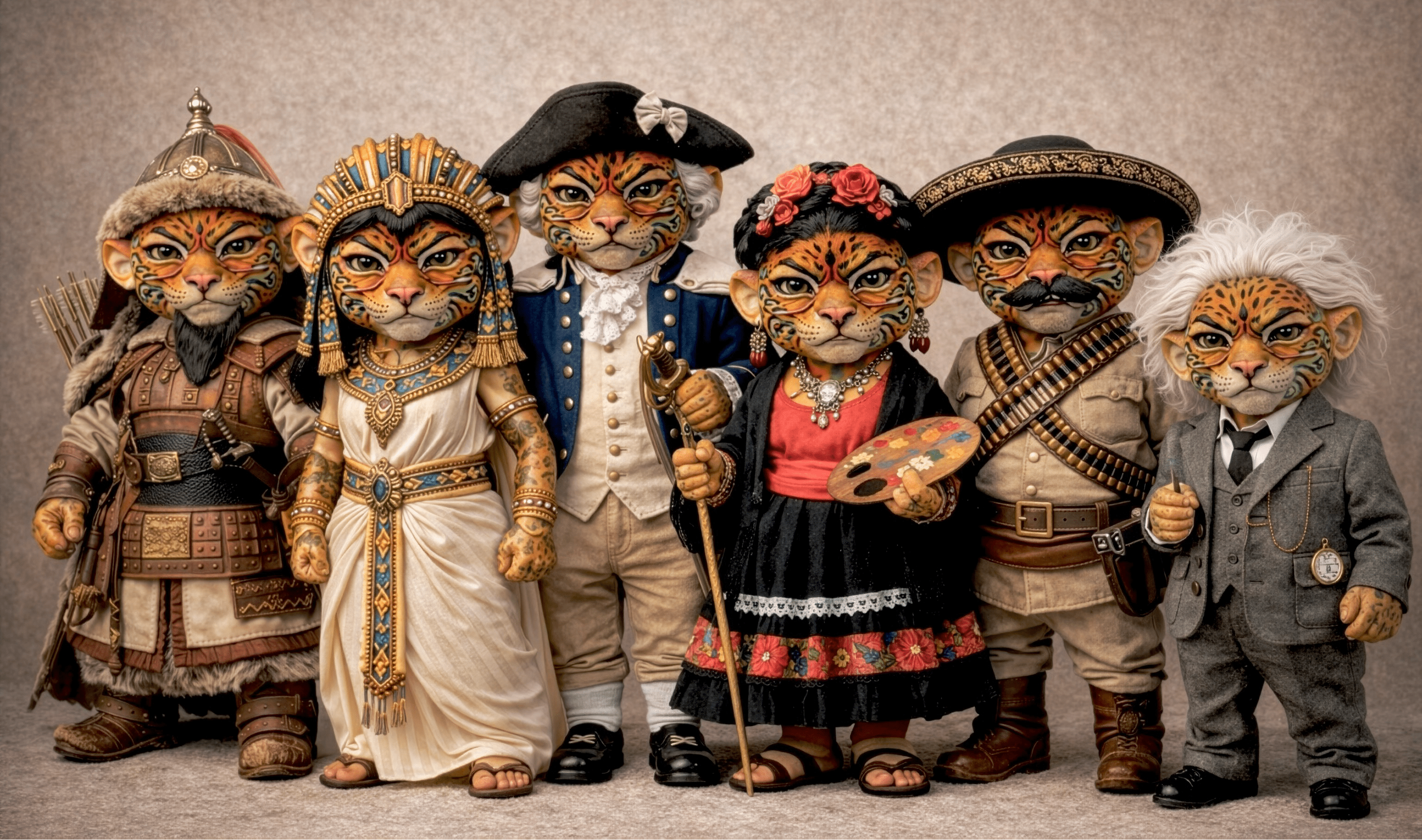
Some brands sell graphics. Others sell nostalgia. The False Idols collection exists for a different reason: to question the stories we inherit.
At its core, False Idols explores the idea that history is not just a record of events. It is a curated memory. Over time, real people become symbols. Symbols become myths. And myths eventually turn into something close to worship.
This collection lives inside that transformation.
Rather than blindly celebrating historical figures or cultural icons, False Idols examines the space between truth and legend. It asks a simple but uncomfortable question: at what point does admiration turn into distortion?
The Meaning Behind the Name
“False Idols” does not mean the figures themselves were fake. Many of the people referenced across the collection were real and deeply influential. The phrase instead points to how society reshapes them over time.
History rarely survives untouched. Stories are simplified. Edges are softened. Context gets lost. Complex individuals become clean symbols designed to be easy to admire, easy to sell, and easy to repeat.
The collection reflects that shift.
It highlights how cultural memory can elevate individuals into almost mythical status, even when their real stories were far more layered and human.
A Study of Myth vs Reality
False Idols is built around tension. Each piece sits between two truths:
-
The real historical foundation
-
The modern symbolic version people recognize
This contrast is intentional.
Some designs reference pivotal moments in history. Others focus on cultural archetypes that have taken on larger-than-life meaning over time. But the goal is never blind praise. It is observation.
The collection invites the viewer to pause and reconsider the difference between honoring history and simplifying it.
Why It Exists
False Idols was created as a counterweight to surface-level storytelling.
In modern culture, images move fast and context moves slow. Historical figures are often reduced to aesthetics, slogans, or viral fragments. The deeper stories get flattened into visuals that feel powerful but lack depth.
This collection pushes against that trend.
Instead of pretending history is clean, False Idols leans into the ambiguity. It acknowledges that influence and imperfection often exist in the same person. That cultural heroes can be both foundational and flawed.
Not to tear them down.
But to humanize them.
The Visual Language
The designs reflect this philosophy visually.
Rather than loud parody or direct criticism, the graphics use subtle tension. Familiar imagery appears in unfamiliar ways. Reverent compositions carry slightly disruptive undertones. Symbolism feels recognizable, but not entirely comfortable.
That balance is intentional.
The goal is not shock. It is friction. Just enough to make someone look twice and think longer than they expected to.
The Role Within the Brand
Within the larger Jaguar Sol universe, False Idols represents the introspective side of the brand.
If other collections explore culture, history, and identity through celebration and storytelling, False Idols is the chapter that asks harder questions. It shifts the focus from preservation to interpretation.
It reminds the viewer that culture is not static. Every generation rewrites meaning, whether intentionally or not.
The Purpose
Ultimately, False Idols is not about rewriting history. It is about reframing how we interact with it.
The collection encourages awareness. Not cynicism. Not blind reverence. Awareness.
It invites people to appreciate cultural icons while still acknowledging their complexity. To recognize that influence and myth often overlap. And to understand that every story we inherit has already passed through countless filters.
False Idols exists in that space between admiration and examination.
Not to destroy legends.
But to remind us that even legends were once human.
Comments