

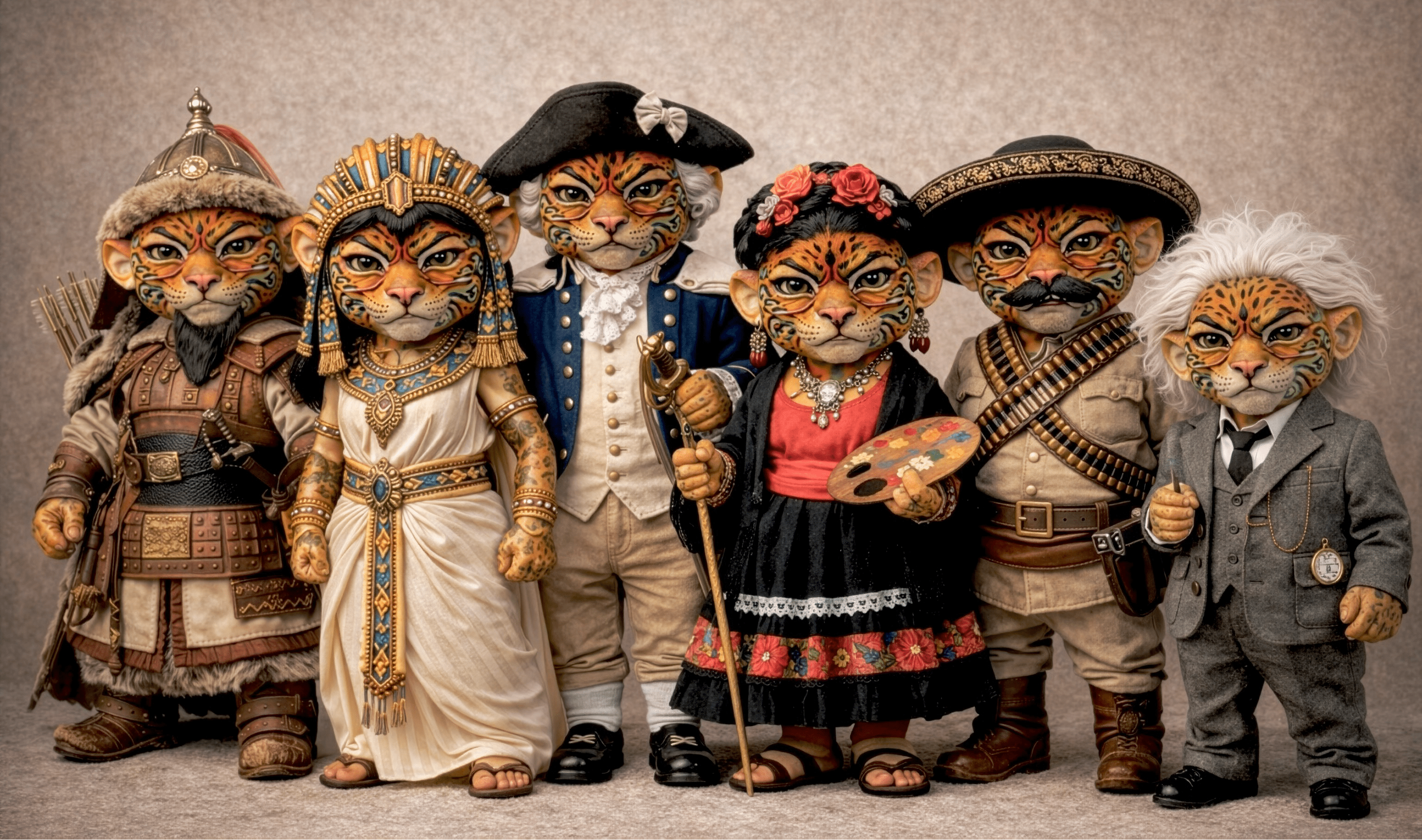
Archive Codes Explained | Jaguar Sol
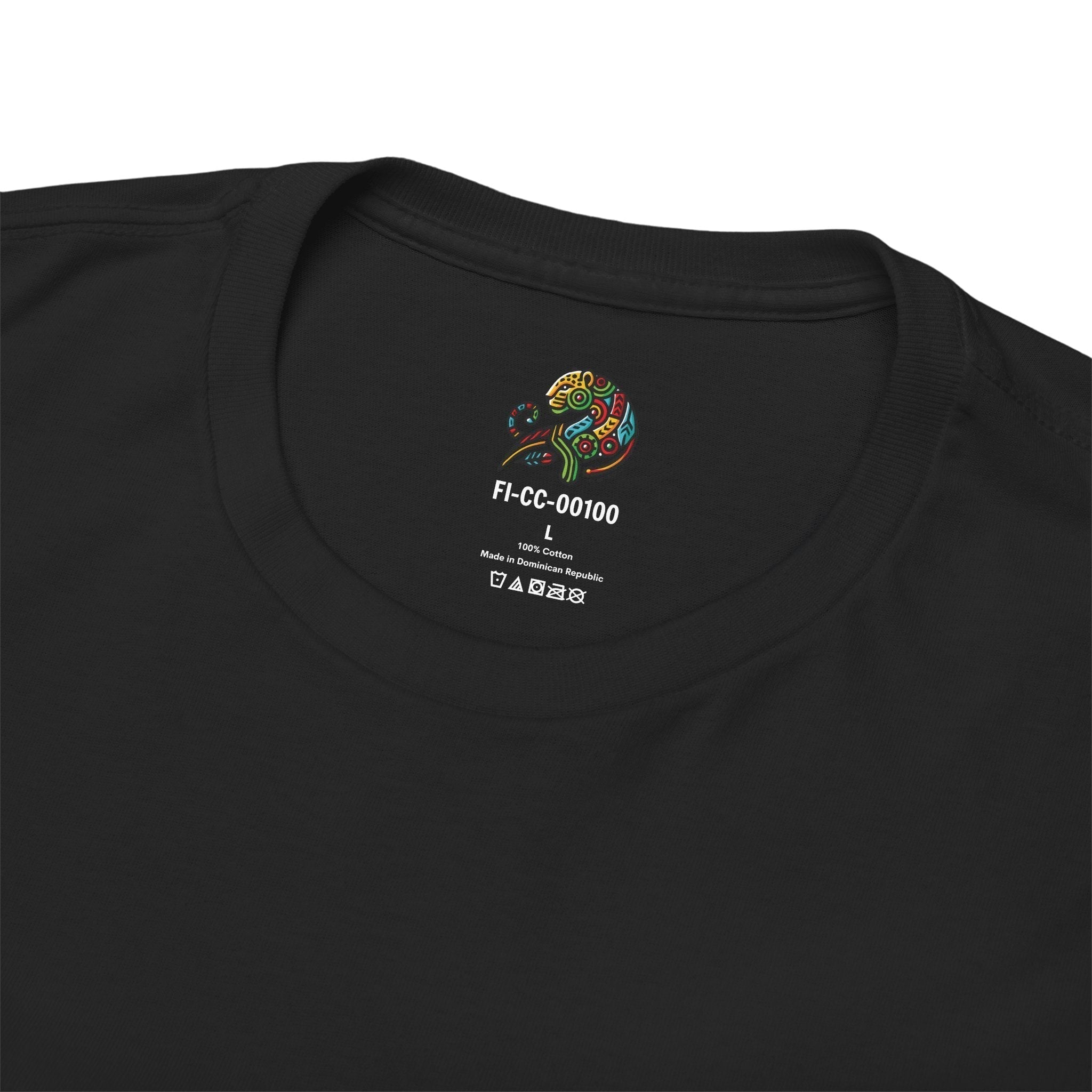
Every Jaguar Sol piece has an archive code so it can be identified, organized, and referenced without confusion as the brand grows. It’s a structured label that tells you what the piece is, where it belongs, and which exact entry it is in the archive.
This guide breaks down how to read those codes in plain English.
Why Archive Codes Exist
Names are subjective. People shorten them, misremember them, or rename them casually (“the bull one,” “the Delaware one,” etc.). Archive codes fix that.
They’re built to:
-
Keep every release traceable over time
-
Make it easy to reference a piece without guessing
-
Preserve the archive as a real catalog, not a messy pile of “drops”
The Two Code Styles Used
Jaguar Sol archive codes aren’t one rigid template. They follow one of two clean structures depending on how the Collection is defined.
Style A: Collection-Based Codes
This is used when the Collection has its own name (not just a country).
[ COLLECTION NAME – REGION – UNIQUE IDENTITY NUMBER ]
-
Collection Acronym = the actual collection name (this is the category)
-
Region = the cultural/country reference used for that design entry (when applicable)
-
Unique Number = the specific archive identifier for that exact piece
Important: Collection names will always appear as acronyms (ex: False Idols becomes FI).
Style B: Country-As-Collection Codes
Sometimes the Collection is just the country. In that case, you don’t add a separate collection label. The country is the collection.
When this happens, we include Item Type to better categories all items within the respective country(collection).
COUNTRY (COLLECTION) – ITEM TYPE – UNIQUE IDENTITY NUMBER
Example structure:
MX[Country] – HR[Head Relic] – 00100[Unique #]
Where:
-
Country = the collection name (because the collection is country-based)
-
Item Type = In this example "HR" "Head Relic" (headwear item type)
-
Unique Number = the specific archive identifier for that piece
How to Read a Code Fast
When you see an archive code, read it left to right:
-
What collection does it belong to?
-
If it starts with a named collection, that’s the collection.
-
If it starts with a country and no other collection label, the country is the collection.
-
Do you see an item type (like HR)?
-
If yes, you’re in the country-as-collection format.
-
If no, you’re likely in the named-collection format.
-
The number tells you the exact entry.
No guessing, no mix-ups.
Why This Matters (Beyond Organization)
This system makes Jaguar Sol feel like an actual archive, not random products.
It means:
-
You can reference pieces accurately
-
You can understand structure across drops
-
Everything feels intentional and collectible
Quick Summary
Jaguar Sol codes work like this:
If the Collection has a name:
Collection – Region Type – Unique Number
If the Collection is the country:
Country (Collection) – Item Type (ex: HR) – Unique Number
Comments